
7 Iron Drills for Better Contact and Accuracy
Stop beating iron shots without a purpose. These seven measurable drills train low-point control, center contact, ball position, tempo, carry control and target performance.
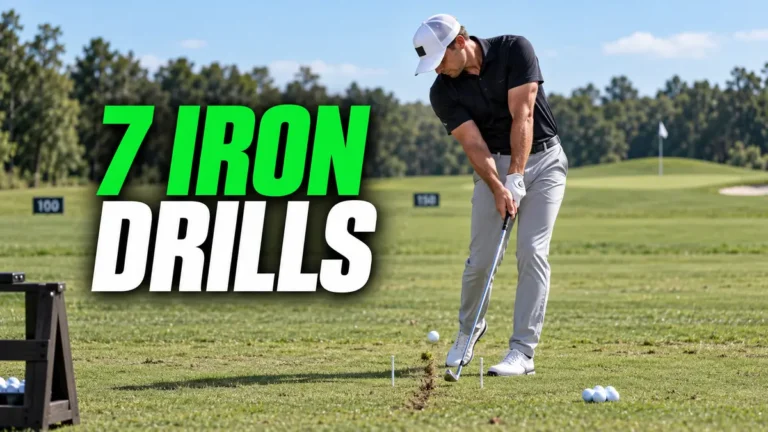
Stop beating iron shots without a purpose. These seven measurable drills train low-point control, center contact, ball position, tempo, carry control and target performance.
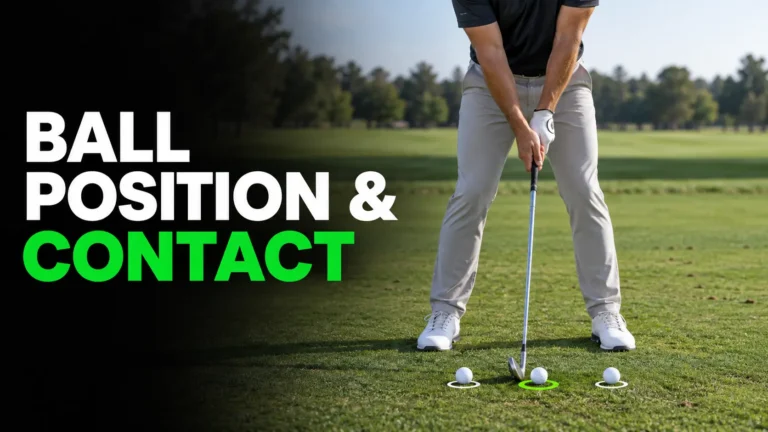
Your iron ball position may be creating contact and ball-flight problems that look like swing faults. Use this simple 60-ball test to find your best position.
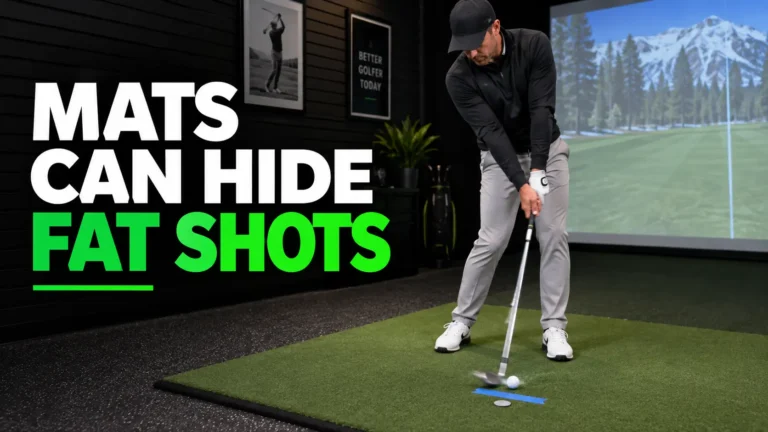
Mats can let the club skid or bounce into the ball after contacting the ground too early. Use this indoor feedback system to expose fat shots and build cleaner iron contact.
Uphill and downhill putts can begin on the same line yet finish several feet apart because slope changes both the speed required and the amount of break. If you treat every putt like a flat one, uphill attempts finish short while downhill putts race past the hole and leave a stressful comeback. The solution is…
Before hitting another bucket of irons, write down where you believe six out of your next 10 shots will finish—and where the other four are most likely to miss. If you cannot confidently predict the answer, you do not know your iron pattern well enough to choose smart targets on the course. Golf shot dispersion…
You may be missing greens because you do not know your golf club distances as well as you think. That one perfectly struck 7-iron that carried 170 yards is memorable, but if most of your 7-irons carry closer to 158–162 yards, treating it as your 170-yard club will leave you short again and again. The…
One bad drive does not have to become a double or triple bogey. If your ball finishes under tree branches, learning how to hit a low punch shot can help you escape safely, advance the ball, and give yourself a realistic chance to save the hole. The key is resisting the hero shot. You need…
If pulling driver creates more penalty strokes than scoring opportunities, you may be using the wrong club off the tee. The best tee-shot club is not automatically the one that travels farthest—it is the club that gives you enough distance while keeping your typical miss out of trouble. This guide will help you identify your…
You do not need to hit 250-yard drives to break 90. If you can advance the ball approximately 180–200 yards from the tee, keep it playable and follow that shot with one reliable layup, you can build a practical bogey strategy on many par 4s from an appropriate tee box. Distance still helps, but usable…
Many golfers believe the follow through happens after the important part of the swing is finished. They focus heavily on the backswing and impact while treating the follow through as something that just happens afterward. But great instructors often look at the follow through first when diagnosing a swing. Why? Because the follow through is…