
How to Chip From Dormant Winter Grass
Dormant grass can create tight, fast, or unexpectedly soft lies. Learn how to assess the turf, select a safer shot, and practice without damaging it.

Dormant grass can create tight, fast, or unexpectedly soft lies. Learn how to assess the turf, select a safer shot, and practice without damaging it.

Bermuda grass can change club-turf interaction and rollout around the green. Learn how to read the lie and grain, choose a safer shot, and practice three common Bermuda conditions.

Toe-down chipping reduces how much of the sole meets the turf and can soften short shots from tight fringe or light rough. Learn when to use it and how to test it.

Before changing your putting stroke, check the surface giving you feedback. Learn how to inspect your mat, test its position, separate starting direction from later break, and build an indoor practice station you can trust.

Inconsistent putting distance may start with inconsistent contact. Learn how to identify heel and toe strikes, test your setup, and build a tighter impact pattern.

Make your golf net practice more useful with a dependable target line. Learn how to check your mat, align your setup, and use a scored 15-ball routine.

Does the line on your golf ball improve your putting or create more doubt? Compare both methods with a practical test for short putts, distance control, and routine.

Wet greens do not always produce less rollout. Learn how rain and morning dew affect the first bounce, skid, and roll so you can choose better landing spots.
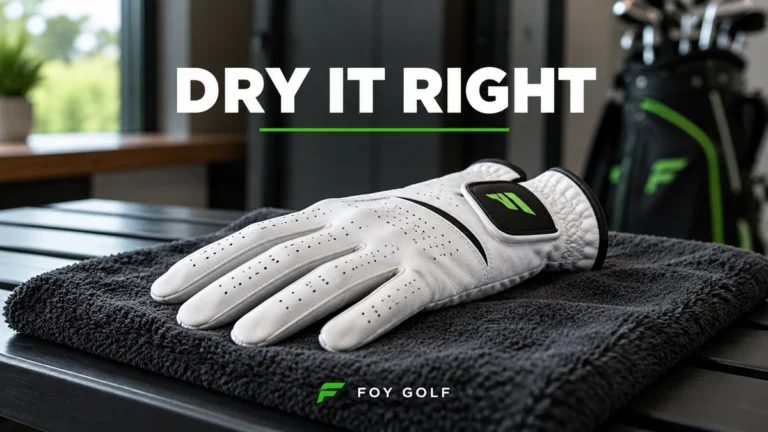
Keep a damp golf glove from becoming your next equipment problem. Learn how to blot, reshape, air dry, and store it, plus when to use a spare or replace it.

Learn how driver loft, lie angle, and draw settings differ, then use a simple 20-ball test to find out whether an adjustment makes your slice more playable.