Scuffed Golf Balls: When Should You Replace One?
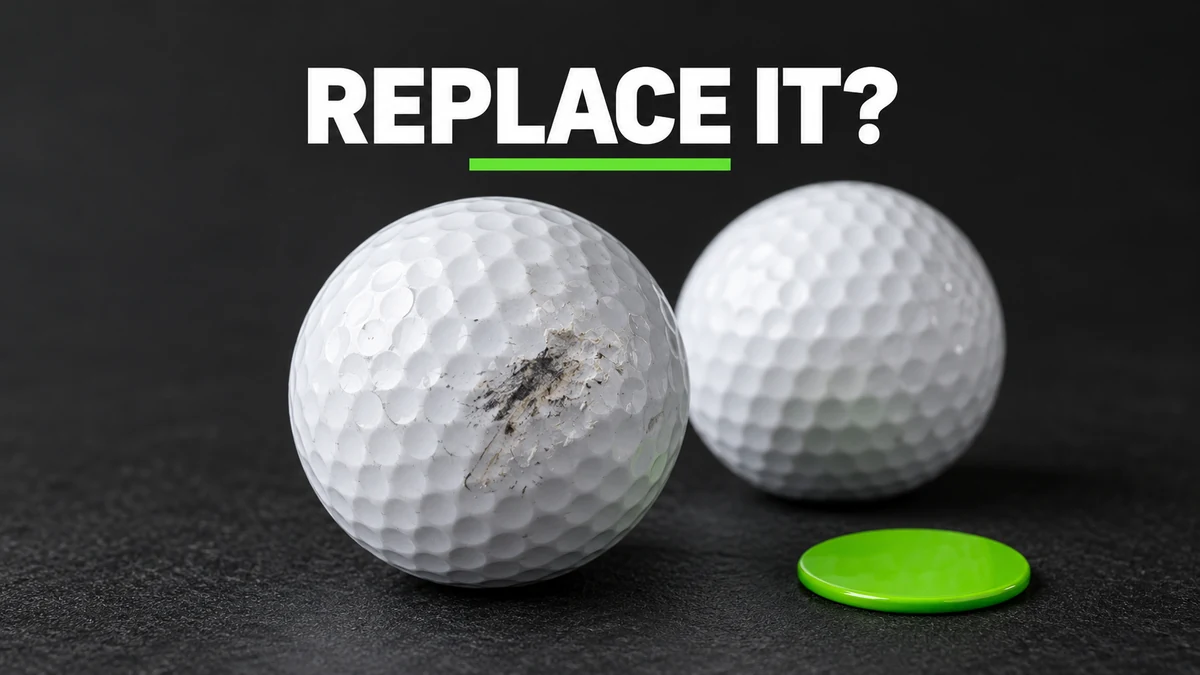
A small mark on a golf ball does not always mean the ball needs to be replaced. A deep cut, raised piece of cover or badly damaged dimple is a different situation.
Golf balls pick up stains, paint transfers, scratches and scuffs during normal play. Cart paths, trees, bunker faces and hard ground can all leave marks. The important question is whether the damage is cosmetic or whether the cover has been physically changed enough to affect your confidence and the ball’s performance.
My advice is to use a simple inspection process instead of automatically throwing away every marked ball—or continuing to play a ball that is clearly damaged.
Clean the Golf Ball Before Inspecting It
Dirt can make a golf ball look more damaged than it really is.
When the Rules allow you to clean the ball, wash it with water and wipe it with a towel. Do not use an aggressive tool that could create additional scratches.
Once the ball is clean, inspect it under good light. Rotate it slowly and look at the entire surface.
You are trying to separate four types of marks:
- Dirt or grass stains
- Paint transferred from another object
- Light surface scratches
- Cuts, gouges or missing cover material
A dark line from a cart path may look serious before cleaning. If it wipes away and the cover underneath is smooth, the ball may still be suitable for play.
Cosmetic Marks Usually Do Not Require Immediate Replacement
Discoloration, faded printing and a light surface scratch do not automatically make a ball unusable.
For a casual round, many golfers can continue using a ball with minor cosmetic wear. If the cover remains smooth, the dimples keep their normal shape and there is no raised or loose material, the ball can often stay in play.
Confidence still matters. If you are standing over an important shot thinking about the mark on the ball, replacing it between holes may be the sensible choice even when the damage appears minor.
That is a personal performance decision, not a claim that every visible mark changes the ball’s flight.
Damage That Deserves More Attention
Retire the ball from serious play or full-flight testing when you find:
- A clearly visible cut
- A crack in the cover
- A deep gouge
- Missing cover material
- A raised flap or sharp edge
- Several badly deformed dimples
- A ball that no longer appears round
You can run a fingertip gently over the questionable area. If the damage is raised, deep or structurally different from the surrounding cover, place the ball in a practice or discard bucket instead of putting it back in your game-ball supply.
Avoid using badly damaged balls for precision putting practice. A rough raised area can affect how the ball contacts the putter face or rolls across the green.
What the Rules of Golf Say About a Cut or Cracked Ball
The Rules make an important distinction between a ball that is cut or cracked and one that is merely scratched, scraped or discolored.
Under USGA Rule 4.2c, a player who reasonably believes a ball became cut or cracked while playing a hole may mark its position and lift it for inspection. The ball cannot be cleaned during that inspection unless it is on the putting green.
A replacement is allowed only when the original ball is clearly cut or cracked and the damage happened during the hole being played. A ball is not considered cut or cracked merely because it is scratched, scraped, has damaged paint or is discolored.
This means a scrape from a cart path is not automatically permission to substitute another ball in the middle of a hole.
If you are playing a competition and are uncertain, call a rules official or proceed under the applicable competition procedure. Do not quietly switch balls based on your own assumption that a cosmetic scuff qualifies as a cut.
The USGA’s Golf Ball Rules topic also explains situations involving replacement and substitution. On the putting green, for example, the same ball generally must be replaced to complete the hole unless another Rule permits substitution.
Can You Change Golf Balls Between Holes?
In normal play, you may start a new hole with another conforming golf ball. That makes the area between holes the easiest time to replace a ball that has become scuffed or damaged.
A committee may use the optional one-ball Local Rule in some high-level competitions. When that Local Rule is in effect, the player is restricted to a single brand and model during the round.
Most recreational golfers will not encounter that restriction, but competitive players should always read the Local Rules before teeing off.
Use a Three-Bucket System
One of the simplest ways to organize used golf balls is to divide them into three groups.
Game Balls
These are clean balls with an intact cover and normal dimples. A small cosmetic stain may be acceptable, but there should be no cut, raised edge or deep gouge.
Use these balls during rounds and during practice sessions in which you are measuring carry distance, trajectory or short-game performance.
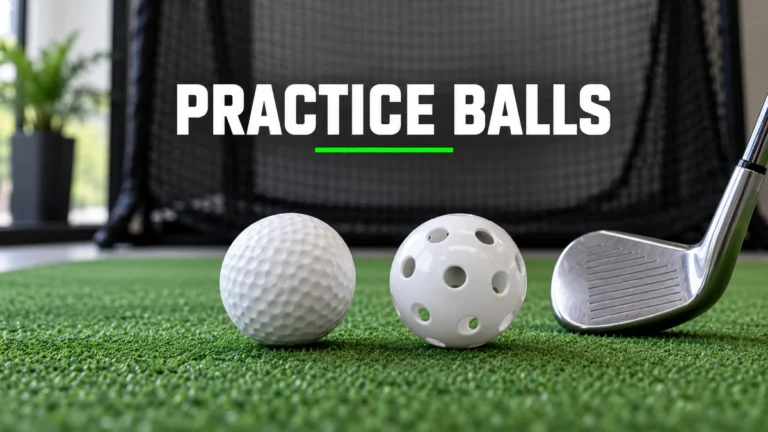
Practice Balls
These balls may have light scratches, discoloration or normal wear but no major structural damage.
They can be useful for:
- Chipping practice
- Short pitches
- Bunker practice
- Hitting into a net
- Warm-up shots
- General range-style practice
Keeping these balls separate prevents you from accidentally putting a heavily used ball into play during an important round.
Retired Balls
A ball with a cut, crack, raised flap, deep gouge or missing cover material belongs in the retired group.
Do not use these balls when you are evaluating swing changes or comparing clubs. Uncertain ball condition adds another variable to the test.
If you want a better understanding of how construction and cover materials influence performance, read my complete golf ball guide.
A Five-Step Inspection Routine
Use this routine after a round or practice session:
- Clean the ball. Remove dirt so you can see the cover.
- Rotate it under good light. Examine every part of the surface.
- Feel suspicious areas. Check for raised, sharp or missing material.
- Inspect the dimples. Look for severe deformation rather than simple discoloration.
- Assign the ball to a bucket. Choose game, practice or retired.
This takes only a few seconds per ball and removes uncertainty before your next round.
A Hypothetical Private-Lesson Example
Imagine a golfer arrives for a lesson carrying six balls collected from previous rounds.
Two are clean. Two have minor stains and shallow scratches. One has a deep cart-path gouge, and one has a small raised flap in the cover.
For a full-swing ball-flight session, I would use the four balls with intact covers. The two seriously damaged balls would not be included because they introduce an unnecessary variable.
The golfer could keep the lightly marked balls for ordinary practice and reserve the cleanest balls for on-course play.
The lesson is not that every scratch ruins a golf ball. It is that a golfer should avoid testing swing changes with equipment that creates doubt about the result.
Do Scuffs Change Golf-Ball Performance?
The honest answer is that the effect depends on the location, depth and shape of the damage.
A small smooth mark is not the same as a raised flap or a deep gouge. Ball model, club speed and the shot being played can also influence how noticeable the effect becomes.
Without controlled testing, you should not assume a particular scratch costs a specific number of yards or causes a predictable amount of curve.
Use the visible condition of the cover as a practical filter:
- Cosmetic and smooth: normally acceptable for casual use
- Light wear with intact cover: useful as a practice ball
- Deep, raised, cracked or missing material: retire it from serious play
When accurate distance and flight matter, remove questionable balls from the test. Even practice-range balls can produce different results from the balls you use on the course, as explained in my guide to range balls versus regular golf balls.
Do Not Judge Every Ball Only by Appearance
A golf ball can look old because the finish is dull or the printed markings have faded. That does not necessarily mean the cover is damaged.
The opposite is also possible. A relatively new ball can hit a cart path on its first hole and develop a serious gouge.
Age alone is therefore not the best standard. Inspect the condition of the cover, dimples and overall shape.
Also consider how the ball will be used. A ball might be acceptable for ten-foot chipping drills but unsuitable for checking driver carry distance.
Build a More Consistent Practice System
Golfers often focus on their swing while ignoring the condition of the ball being used to evaluate that swing.
You do not need a brand-new ball for every practice shot. You do need a ball that is appropriate for the feedback you are trying to collect.
Clean and sort your golf balls regularly. Keep game balls, practice balls and retired balls separate. Replace a ball when the damage creates a rules issue, introduces uncertain performance or distracts you during the shot.
If you need help deciding where your practice time should go, complete my free Golf Game Audit. It will help identify which parts of your game are costing you strokes.
Then choose one of my structured Better Golf Practice Plans and build a focused routine around the areas that need the most attention.