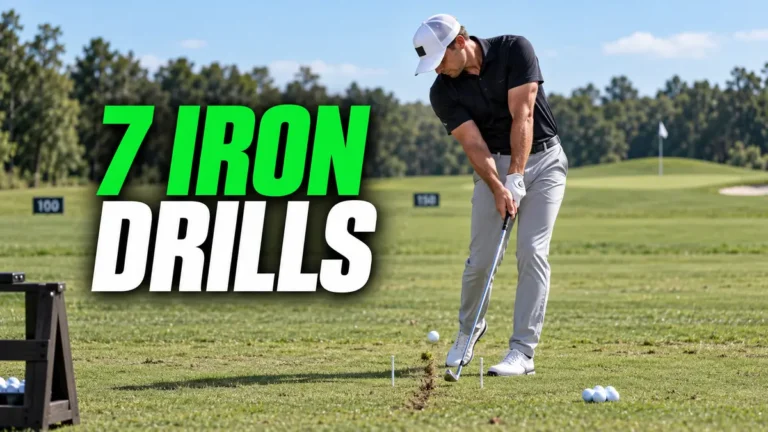
Low Point Control: The Real Key to Crisp Iron Shots
Many golfers believe that clean iron shots come from swinging harder or trying to help the ball into the air.
In reality, the quality of an iron shot is mostly determined by one important factor: low point control.
The low point of the swing is the lowest point of the clubhead’s arc during the swing. For solid iron shots, this low point should occur slightly in front of the golf ball, not behind it.
When the club reaches its lowest point before the ball, the club strikes the ground first. This results in fat shots that travel short distances.
If the low point is too far forward, the club may catch the ball thin, producing shots that fly lower than expected with inconsistent distance.
Professional golfers are extremely skilled at controlling the location of their low point. This is why they consistently strike the ball first and take a small divot after the ball.
The good news is that low point control is a skill that can be learned.
In this lesson, we’ll explain what low point control really means, why many golfers struggle with it, and how you can train your swing to produce more consistent ball-first contact.
Golf Programs to Follow Step By Step
What Low Point Control Means in the Golf Swing
Low point control refers to where the clubhead reaches the lowest point of its arc during the swing.
Every golf swing travels in a circular motion around the body. As the club moves downward toward the ball, it eventually reaches its lowest point before beginning to rise again in the follow through.
For solid iron shots, the club should strike the golf ball before reaching the bottom of the swing arc.
This means the lowest point of the swing should occur a few inches in front of the ball, which produces the familiar ball-first contact followed by a shallow divot.
When the low point is positioned correctly, several positive things happen:
• The club strikes the ball cleanly before contacting the turf
• The ball launches with predictable trajectory
• The strike feels solid and compressed
• Distance control becomes more consistent
From a visual standpoint, you can often identify good low point control by looking at divot patterns.
Tour players typically create small divots that begin slightly in front of where the ball was sitting. This shows that the club struck the ball first and continued downward into the turf after impact.
When the low point occurs behind the ball, the club reaches the ground too early and produces a fat shot.
If the low point moves too far forward, the golfer may strike the ball thin or struggle to make consistent contact.
Because of this, controlling the location of the low point is one of the most important skills for consistent iron play.
Why Many Golfers Struggle With Low Point Control
Low point control is difficult for many golfers because small changes in body movement during the swing can shift the bottom of the swing arc.
When the body moves incorrectly during the downswing, the club reaches the ground either too early or too late.
Mistake #1: Hanging Back on the Trail Foot
One of the most common causes of fat shots is failing to shift pressure into the lead foot during the downswing.
When pressure stays on the trail side, the body tends to lean backward away from the target. This shifts the bottom of the swing arc behind the ball, causing the club to strike the turf first.
Golfers who hang back often try to help the ball into the air, which further moves the low point behind the ball.
Mistake #2: Early Release of the Club
Another common issue is casting or releasing the club too early.
When the wrists unhinge too soon, the clubhead reaches the bottom of the swing arc earlier in the swing. This often results in the club striking the ground before reaching the ball.
Early release also reduces compression and makes distance control more difficult.
Mistake #3: Poor Setup Position
Sometimes low point problems begin at address.
If the ball is positioned too far forward in the stance or the golfer’s weight is sitting too heavily on the trail foot at setup, it becomes much harder to deliver the club correctly.
Proper setup helps position the body so the swing arc naturally reaches its lowest point slightly ahead of the ball.
Mistake #4: Lack of Body Rotation
Another factor that shifts the low point is stalling the body through impact.
When the hips and torso stop rotating, the hands often flip through impact to square the clubface. This causes the clubhead to pass the hands too early and shifts the low point backward.
Understanding these common mistakes helps explain why many golfers struggle with inconsistent contact.
The key to fixing low point issues is learning how to control pressure shift, sequencing, and body rotation so the club consistently reaches its lowest point after the ball.
Free 7 Day Practice Plan
Get step by step drills to follow for fast improvement.
How to Move the Low Point Forward
Moving the low point of the swing forward starts with improving how the body moves during the downswing.
When pressure shifts correctly and the body rotates through the shot, the club naturally reaches the lowest point of the swing arc in front of the ball.
Shift Pressure Into the Lead Foot Early
One of the most important movements for controlling the low point is shifting pressure into the lead foot during the transition.
As the backswing finishes, begin moving pressure toward the lead side before the arms start the downswing. This movement helps position the body so the hands can move forward ahead of the ball.
When pressure shifts properly, the swing arc naturally moves forward.
Keep the Chest Moving Toward the Target
Another key factor is allowing the chest and torso to continue moving toward the target during the downswing.
If the upper body hangs back or tilts away from the target, the bottom of the swing arc will move behind the ball.
Keeping the chest moving forward helps position the hands ahead of the ball and promotes ball-first contact.
Maintain Forward Shaft Lean
Forward shaft lean also helps move the low point forward.
When the hands arrive slightly ahead of the clubhead at impact, the club strikes the ball first before continuing downward into the turf.
This is why golfers who flip the club through impact often struggle with fat shots.
Focus on Ball-First Contact
A helpful swing thought is simply focusing on striking the ball before the ground.
Instead of trying to lift the ball into the air, concentrate on delivering the club downward through the ball while allowing the club’s loft to launch the shot.
This mindset helps train the correct impact conditions and encourages the swing arc to bottom out ahead of the ball.
By improving these movements, golfers can begin shifting their low point forward and producing the clean, crisp contact seen in strong iron players.
Drills to Improve Low Point Control
Low point control improves fastest when golfers practice drills that give immediate feedback on where the club strikes the ground.
These drills train the body to deliver the club so it contacts the ball first and the turf second.
Line in the Turf Drill
One of the simplest and most effective drills is the line drill.
Draw a straight line on the turf using a golf club or place a strip of tape on a practice mat. Set up so the golf ball sits directly on the line.
Your goal is to strike the ball and then take a divot in front of the line, not behind it.
If the divot starts behind the line, the low point is occurring too early in the swing.
When the divot begins in front of the line, it means the club struck the ball first and the low point is correctly positioned ahead of the ball.
Towel Behind the Ball Drill
Another excellent feedback drill involves placing a small towel a few inches behind the golf ball.
The goal is to strike the ball without touching the towel.
If the club hits the towel, it means the club is reaching the ground before the ball. This usually indicates hanging back or releasing the club too early.
When the towel remains untouched, it means the club is approaching the ball with the correct downward strike.
Lead-Side Pressure Drill
This drill helps golfers feel the proper pressure shift that moves the low point forward.
Set up normally and make a backswing. As you begin the downswing, focus on feeling pressure move into your lead foot before the club reaches the ball.
You can exaggerate this feeling by starting with slightly more weight on your lead foot during practice swings.
This movement encourages the body to rotate through the shot and helps position the low point ahead of the ball.
Pressure Board Training Aid
Another effective way to train low point control is by using a pressure board training aid.
A pressure board allows golfers to visually and physically feel how pressure moves between the trail foot and lead foot during the swing. When practicing with a pressure board, you can clearly see whether pressure is shifting properly into the lead side during the transition and downswing.
Golfers who struggle with fat shots often keep too much pressure on their trail foot for too long. The pressure board helps train the correct sequence by encouraging pressure to move toward the lead side earlier in the downswing.
When pressure shifts forward at the right time, the body can rotate through the shot more efficiently and the swing arc naturally moves forward. This makes it much easier to strike the ball first and the turf second.
Training with tools that provide immediate feedback on pressure movement and strike location can dramatically speed up the process of improving low point control.
Tee Forward of the Ball Drill
Another simple drill to help move the low point forward is the tee in front of the ball drill.
Place a golf tee in the ground about 3–4 inches in front of the golf ball along your target line. Your goal is to strike the ball first and then clip the tee after impact.
This drill trains your brain to deliver the club so the bottom of the swing arc occurs ahead of the ball. If your low point is behind the ball, you’ll miss the tee entirely or strike the ground before reaching it.
When you consistently strike the ball and then the tee, it confirms that the club is traveling downward through the ball and continuing forward into the turf.
Over time, this simple drill helps golfers develop the correct strike pattern for ball-first contact and better compression with irons.
Conclusion: Control the Bottom of the Swing
Low point control is one of the most important skills in golf, especially when it comes to striking irons consistently.
When the club reaches the lowest point of the swing arc in front of the golf ball, the result is clean ball-first contact followed by a shallow divot. This creates the crisp strike and penetrating ball flight that strong iron players produce.
Many golfers struggle with fat or thin shots because the low point of their swing moves around from swing to swing. Issues such as hanging back on the trail foot, releasing the club too early, or failing to rotate through the shot can all shift the bottom of the swing arc to the wrong location.
The key to improving low point control is focusing on proper pressure shift, sequencing, and body rotation during the downswing.
When pressure moves into the lead foot early and the body continues rotating toward the target, the hands can move ahead of the ball and the club naturally strikes the ball before the turf.
Practicing drills like the line drill, towel drill, and pressure board training exercises can help you train this movement and develop a more consistent strike pattern.
Over time, improving your ability to control the bottom of the swing will lead to cleaner contact, better compression, and more predictable distance with your irons.
Golf Practice Plan – What to Do & Not To Do
Wonder why you’re not getting better as fast as you want to be? Here’s your proven system to follow step by step that hundreds of golfers like you are following each month. Our students send us emails frequently praising these practice plans and how much they’ve improved at golf.
Get access to our Practice Plans built for all 3 skill levels (Beginners, Intermediate, and Advanced Golfers).
You’ll learn what to do at the golf course to improve your score and skills and what not to do. Just follow these plans step by step. It’s made easy for you. Plus see our videos, worksheets, and training aid recommendations.
Thanks for reading today’s article!
Nick Foy – Golf Instructor