
Foam vs. Plastic Practice Golf Balls: What Can You Actually Learn?
Foam and plastic practice golf balls can both improve your game—but only if you understand what each one can realistically teach you.
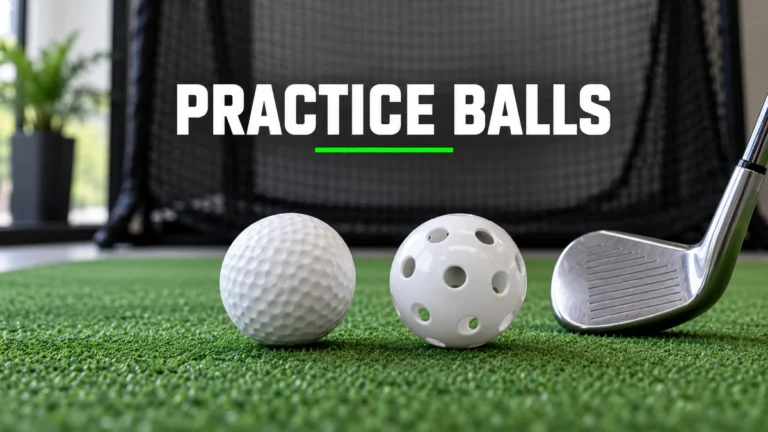
Foam and plastic practice golf balls can both improve your game—but only if you understand what each one can realistically teach you.
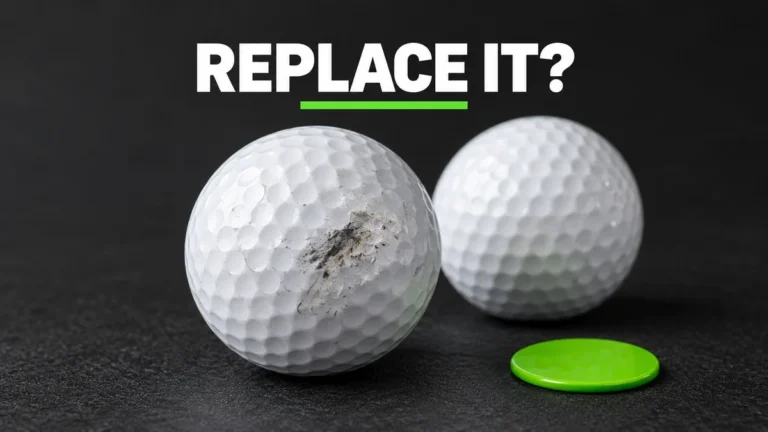
Learn how to tell the difference between a cosmetic golf-ball scuff and damage serious enough to retire or legally replace the ball.
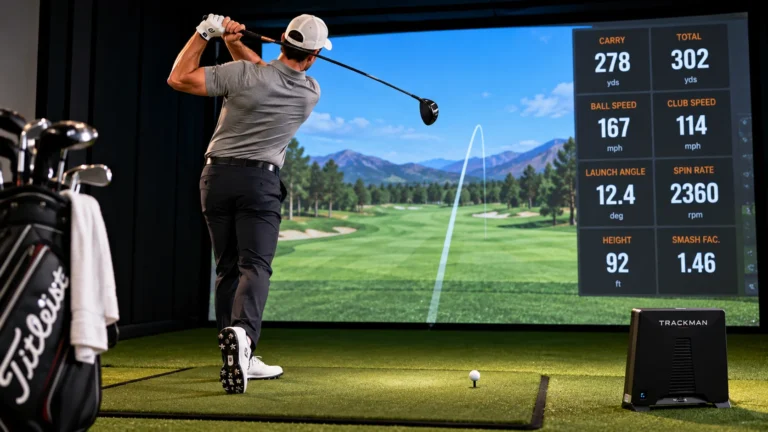
Stop using your golf simulator like a driving range. Learn how to test contact, dispersion, carry distance, driver control, and wedge accuracy—and then verify the improvement outside.
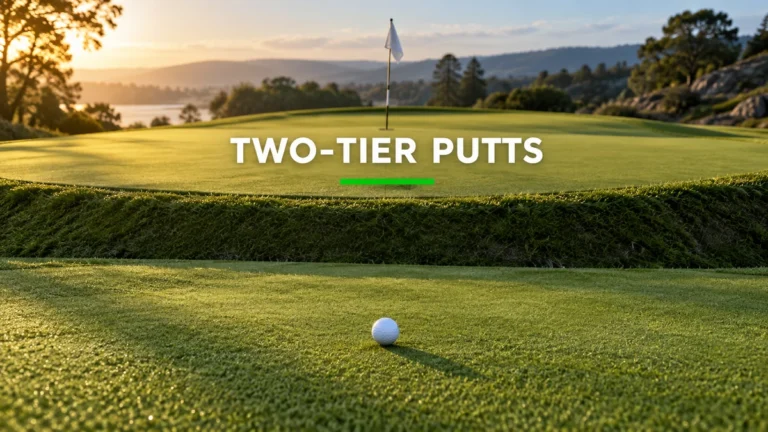
Two-tier greens require more than judging the total distance. Learn how to choose a crossing point, reach the correct level, control the downhill release and practice both directions with a measurable ten-putt test.

A solid tee shot can still leave you blocked on a dogleg. Learn how to identify a useful landing area, separate carry from total distance, evaluate a shortcut, and choose a club that leaves a manageable next shot.
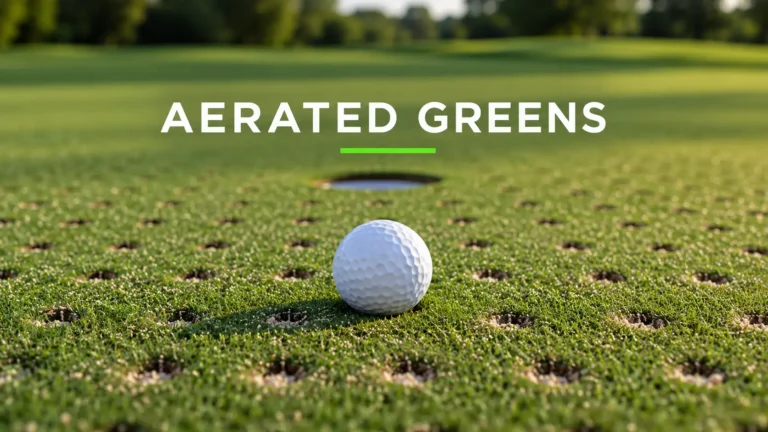
Aerated greens can make a good putt finish poorly. Learn how to test the pace, adjust without jabbing at the ball, separate surface bumps from stroke problems, and use a simple two-putt challenge to keep your practice productive.
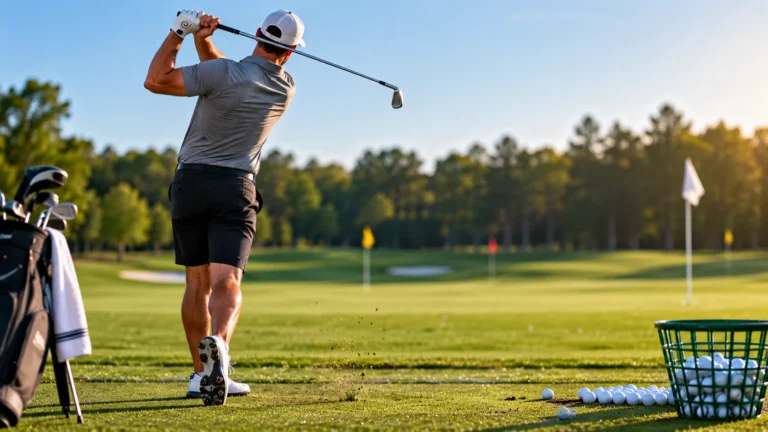
Breaking 90 is not about perfect golf. Learn how to use smarter tee shots, safer targets, better recovery decisions, simple short-game rules, and structured practice to eliminate doubles and triples.
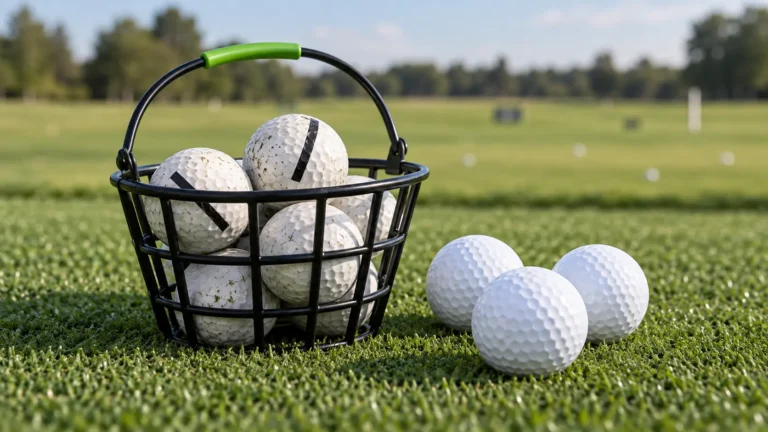
A short shot on the driving range does not automatically mean you have lost distance. Learn how to interpret range-ball results, check what your launch monitor displays, and separate useful practice feedback from the yardages you trust on the course.
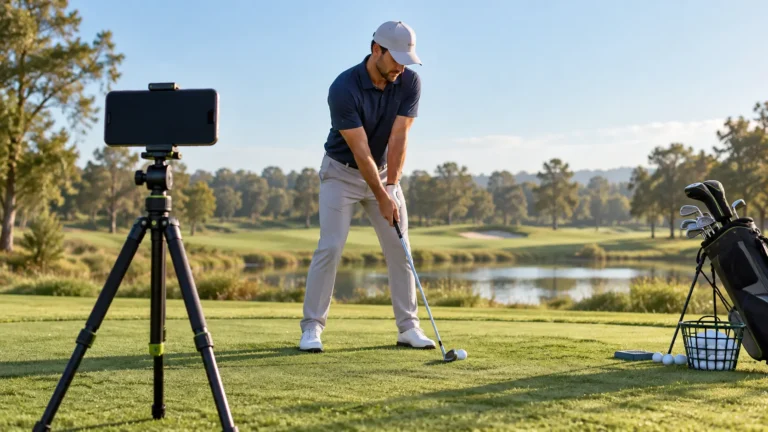
A swing video is only helpful when the camera shows a reliable view. Learn how to position your phone, record down-the-line and face-on swings, avoid misleading angles, and turn a few clips into more focused practice.
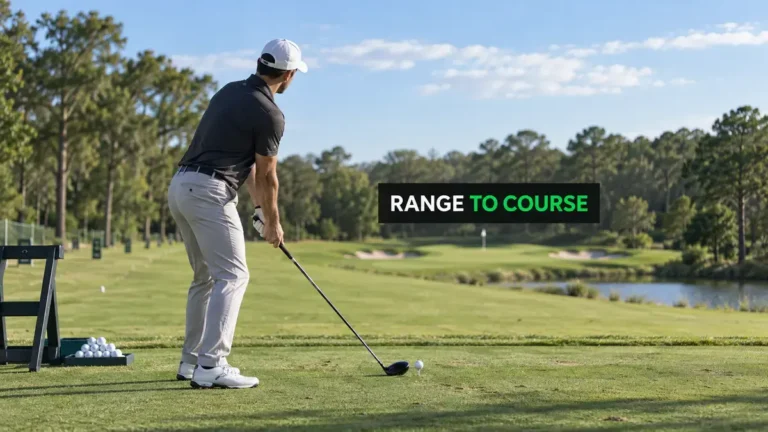
Range success can be misleading when every miss comes with an immediate second chance. Use this practice progression to train one-ball decisions, changing targets, trouble-side shots, trajectories, and simulated holes.